
Gym Accessibility: What to Check Before You Join
On this page
Quick answer
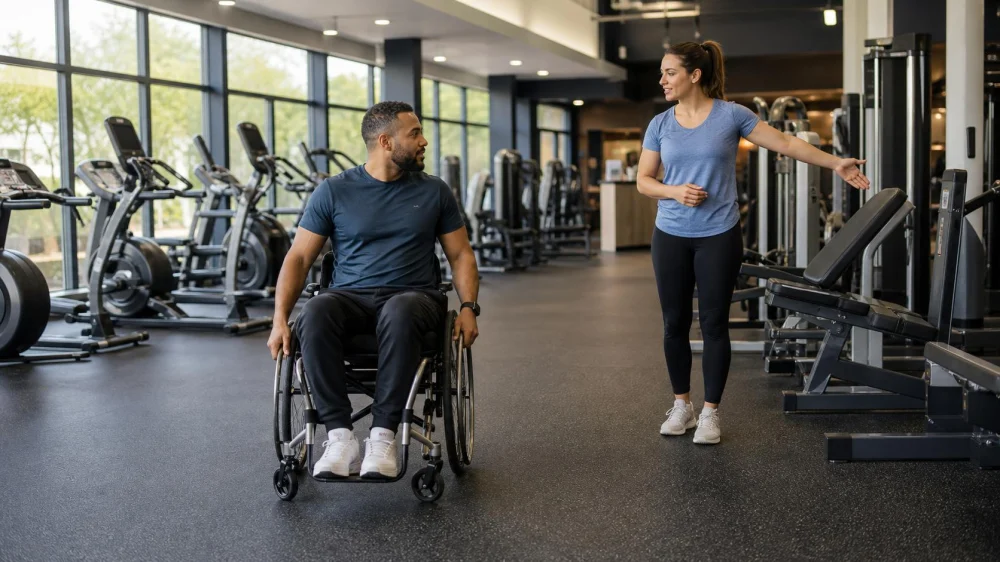
Before joining a gym, trace the entire visit from parking or transit to check-in, exercise areas, restrooms, and exit. Confirm that routes, doors, equipment spacing, communication methods, and assistance match your needs. Visit at the time you expect to train, test essential features with permission, and get any important accommodation or cancellation terms in writing before paying.
Anytime Fitness / anytime fitness williamsburg
WilliamsburgJames City CountyVirginia
5251 John Tyler Hwy, Williamsburg, VA 23185, USA
Check arrival and entry
Gym accessibility means that a person can reach, enter, understand, and use the fitness environment with reasonable safety and independence. A feature can exist on paper yet fail in practice if the route is blocked, the lift is unavailable, or staff do not know the procedure.
Start outside and follow the same path you would use for a normal workout:
- Check the route from accessible parking, passenger drop-off, sidewalk, or nearby transit.
- Look for stable surfaces, curb access, adequate lighting, weather protection, and a route free of stored equipment.
- Confirm door width, threshold height, opening force, automatic-door operation, and after-hours access.
- Test whether the check-in counter, scanner, gate, and turnstile have a usable alternative.
- Ask how elevators or platform lifts are accessed and what happens when one is out of service.
For a 24-hour facility, check the unattended entry process. An accessible main entrance during staffed hours may not solve access needs at the time you plan to train.

The Southside Boxing Club / southside boxing gym
PittsburghAllegheny CountyPennsylvania
428 Bingham St, Pittsburgh, PA 15203, USA
Inspect workout and changing areas
Do not stop at the lobby. Move through each area that matters to your routine and check whether you can approach, transfer, turn, rest, and leave without relying on improvised assistance.
Useful checks include:
- clear routes between cardio, strength, stretching, class, and recovery areas;
- usable floor space next to selected machines and benches;
- equipment controls, displays, pins, and adjustments you can reach and operate;
- stable seating or a transfer option where needed;
- an open area for mobility devices without blocking an exit or workout lane;
- accessible lockers, changing space, toilet rooms, showers, and drinking water;
- visual and audible emergency alerts and clearly marked exit routes; and
- flooring, lighting, sound levels, and temperature that are workable for you.
One accessible machine may not support a complete program. Consider whether the available mix can cover the movement patterns or rehabilitation instructions you intend to follow.
Ask about communication and support
Accessibility also includes how information is presented and how staff respond. Ask for the membership agreement, class rules, equipment instructions, and emergency process in a format you can use. Confirm whether the gym supports communication by text, relay service, captioning, written instructions, or another method you need.
Ask the manager, not only a salesperson:
- Who handles accommodation requests and how are they documented?
- May a support person, aide, or service animal enter, and are extra charges involved?
- Can equipment be repositioned safely, and who is authorized to help?
- How are class modifications discussed without exposing private health information?
- What is the plan for evacuation or a medical event?
- How can a member report a blocked route or broken access feature?
Staff assistance can be useful, but it should not be the only solution when you need predictable independent access. Clarify the level of help available, especially during low-staff or overnight hours.
Use a structured trial visit
- List non-negotiables. Separate required access features from preferences.
- Call ahead. Ask for a manager and describe the features you want to inspect, without sharing unnecessary medical details.
- Visit at your likely training time. Crowding, noise, parking, staffing, and class transitions can change the experience.
- Follow the full route. Include entry, storage, workout, restroom, water, and exit.
- Test essential equipment safely. Ask permission, use light or no resistance, and do not attempt an unfamiliar transfer alone.
- Review the agreement. Check access hours, guest or aide terms, freeze options, cancellation steps, and how promised accommodations are recorded.
- Compare consistently. Use the same checklist for each United States fitness center you consider.
A trial visit is best for observing day-to-day usability. It is not a formal building inspection or a legal compliance determination.
Limitations and safety notes
- Access needs are individual; a facility that works for one person may not work for another.
- Federal, state, and local accessibility requirements can differ, and legal conclusions depend on facts and jurisdiction.
- Do not attempt a transfer, exercise, or equipment adjustment that exceeds your usual safe method.
- If exercise causes chest pressure, severe shortness of breath, fainting, sudden weakness, or another urgent symptom, stop and seek appropriate emergency help.
- Ask a qualified healthcare professional about exercise restrictions when a condition, injury, surgery, medication, or rehabilitation plan makes the choice safety-sensitive.
- Report broken access equipment promptly and use an alternative route only if it is safe and authorized.
Frequently asked questions
Should I ask about accessibility before visiting?
Yes, especially when a specific feature is essential. Calling ahead can identify the right staff member and reduce wasted travel, but verify the feature in person because descriptions can be incomplete.
What if the gym says staff will always help?
Ask what help means, when trained staff are present, and what happens during breaks, overnight access, or an emergency. Decide whether that arrangement is predictable and suitable for your needs.
Can I ask to try equipment before joining?
Many facilities offer tours, day passes, or supervised trials, but policies vary. Explain what you need to test and follow staff instructions. Avoid an unsupported test that could cause a fall or equipment movement.
What should I do if a route is blocked?
Notify staff and ask for the obstruction to be removed rather than squeezing through or using an unsafe route. If the problem repeats, document dates and raise it with management through the facility's stated process.
Does this checklist prove that a gym complies with disability law?
No. It helps a prospective member evaluate practical usability. A compliance assessment may require measurements, facility facts, applicable standards, and advice from a qualified accessibility or legal professional.
Conclusion and next steps
Write down the features you must be able to use, then inspect the complete member journey at your normal training time. Compare facilities using the same checklist, confirm key promises in writing, and choose the gym whose everyday access, equipment mix, communication, and emergency planning fit your needs.
Evidence note: This article reflects broad accessibility, facility-safety, and consumer-comparison principles. Current obligations and technical standards come from applicable federal, state, and local rules and the facts of the facility.





 Broadhurst Gymnasium - SNU4.0 (8 reviews)
 Crossfit Exceed4.0 (7 reviews)
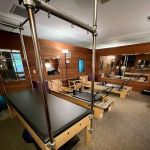 Pilates Studio City5.0 (5 reviews)
 CrossFit South Brooklyn4.0 (146 reviews)
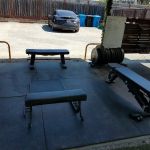 Burlingame Fitness4.0 (17 reviews)
 ATL Xtreme LLC3.0 (28 reviews)
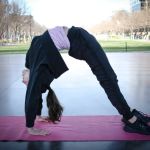 How to Improve Flexibility and Mobility Quickly: Tips and Techniques
 Why Everyone Should Try Cardio: Benefits of Cardio Fitness for All
 How to Combine Strength, Mobility, and Tempo Work to Prepare for Tough Fall Race Courses
 The Best Chest Workout for Muscle Growth at the Gym
 How to Use Minimal Equipment Full-Body Routines When You’re Traveling This Autumn
 Best Fall Recovery Nutrition: What to Eat After a Long Run or Hard Workout