
Workout After Poor Sleep: Reduce Risk Without Chasing a Perfect Session
Quick answer: After one poor night, choose rest or a shorter, easier session based on how alert and coordinated you feel. Skip maximal lifts, high-skill movements, exhaustive intervals, and solo training with dangerous loads. Use a longer warm-up, reduce weight and total sets, keep several repetitions in reserve, and stop if technique, balance, reaction, or symptoms deteriorate.
1. Check Whether You Are Safe to Travel and Train
Before leaving, rate sleepiness, focus, balance, mood, soreness, and illness symptoms. If you are struggling to keep your eyes open, drifting while driving, or making simple errors, do not drive to the gym. Exercise is optional; safe transportation is not.
Consider recent sleep across several nights, not only last night. Repeated short sleep can accumulate. A wearable estimate may add context but cannot prove readiness.

2. Rest When Fatigue Comes With Illness or Concerning Symptoms
Skip training and seek appropriate medical advice for fever, chest pain, unusual shortness of breath, fainting, new dizziness, significant palpitations, vomiting, severe headache, or symptoms that make movement unsafe. Follow clinician guidance after injury, concussion, surgery, pregnancy complications, or medication changes.
Do not use exercise to “sweat out” an illness. Resting one day rarely harms long-term progress, while an unsafe session can.
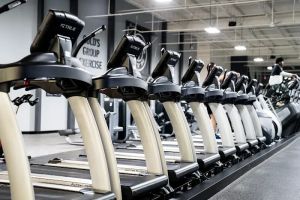
Gold's Gym / golds gym gayton crossing
9782 Gayton Rd, Henrico, VA 23238, USA
3. Change From Performance Testing to Movement Practice
Replace personal-record attempts with an easy technique session, mobility work, a walk, light cycling, or complete rest. Decide the reduced goal before the warm-up so fatigue does not turn into an argument with your original plan.
Keep the session simple and familiar. Avoid learning complex new movements when attention and reaction may be impaired.
4. Let a Longer Warm-Up Decide Whether to Continue
Start with gentle movement, then progress through familiar patterns at low load. Notice coordination, bar path, breathing, joint discomfort, and how effort compares with normal. If easy work feels unusually hard or technique is unstable, end or switch to low-risk movement.
A warm-up is information, not a debt that forces you to complete the workout. Record what you observed.
5. Cut Weight, Sets, and Proximity to Failure
Use lighter loads and fewer total sets than planned. Keep several good repetitions in reserve and extend rest between sets. Avoid forced reps, grinders, drop sets, and fatigue challenges.
There is no universal percentage reduction because sleep loss, exercise experience, and tasks differ. Choose the smallest dose that preserves clean technique and leaves you feeling better, not depleted.
6. Remove High-Consequence and High-Skill Movements
Postpone maximal barbell lifts, Olympic-lift variations, difficult gymnastics, sprints, box jumps, heavy overhead work, and exercises requiring fast reactions or precise balance. If strength training, use stable machines or lighter variations with safety stops when appropriate.
Train with a competent spotter where needed, set rack safeties correctly, and avoid working alone under loads you might fail. Never improvise a spot for an unfamiliar movement.
7. Keep Aerobic Work Easy Enough to Monitor Yourself
Choose a steady pace where you can speak in sentences. Use a stable modality and avoid traffic, technical trails, open water, extreme heat, or other environments where slow reactions have greater consequences.
Shorten duration and stop if you become more drowsy, dizzy, confused, nauseated, or unusually breathless. Do not turn an easy session into intervals because you briefly feel better.
8. Use Caffeine Conservatively, If at All
Caffeine can make you feel more alert without restoring all effects of sleep. Large doses may cause jitteriness, anxiety, stomach symptoms, palpitations, or later sleep disruption. Account for coffee, energy drinks, pre-workout products, and medicines that contain stimulants.
Do not combine multiple stimulant products or use them to justify dangerous loading. Follow product labels and medical guidance, especially with heart, blood-pressure, pregnancy, anxiety, or medication concerns.
9. End the Session When Quality Falls
Stop when reps slow unexpectedly, position changes, balance worsens, equipment setup errors appear, or you lose count repeatedly. Also stop for pain, dizziness, chest symptoms, unusual breathlessness, confusion, or near-fainting and seek appropriate help.
Log the adjusted load, sets, effort, and reason for stopping. That record prevents the easier day from feeling like failure and helps reveal a pattern of poor recovery.
10. Protect Sleep Instead of “Making Up” the Workout
Finish early enough that training, caffeine, and travel do not further delay sleep. Eat and hydrate normally for your needs, use a calm evening routine, and return to the regular plan only when alertness and performance recover.
Persistent insomnia, loud snoring with breathing pauses, excessive daytime sleepiness, or repeated need to scale training warrants discussion with a healthcare professional. Consistency grows from recovery-aware decisions, not from winning every single workout.



 DnG Wellness Center5.0 (15 reviews)
 Evoken Studio4.0 (33 reviews)
 SoulSpark Fitness0.0 (0 reviews)
 Hot Yoga Ferndale4.0 (68 reviews)
 Snap Fitness Bethel-Downtown4.0 (98 reviews)
 Evolution Performance and Wellness5.0 (6 reviews)
 How to Incorporate Fitness Into Your Day – Simple Tips for Staying Active
 Science-Backed Tips for Improving Your Healthy Lifestyle
 Beginner's Guide to Nutrition: Essential Tips for a Healthy Diet
 Best Exercises to Tone Your Core Without Equipment
 How to Lose Weight Without Cardio Machines Using Simple Fat-Burning Methods
 How to Improve Balance and Coordination with Strength Training