
- 1. Why Progressive Overload Works with Bodyweight Exercises
- 2. How to Implement Progressive Overload for Bodyweight Workouts
- 3. Best Bodyweight Exercises for Progressive Overload
- 4. Tracking Progress and Adjusting Workouts
- 5. Tips for Maximizing Results This Fall
1. Why Progressive Overload Works with Bodyweight Exercises
Progressive overload is a key principle in any fitness regimen, and it can be particularly effective with bodyweight exercises. Essentially, progressive overload involves gradually increasing the intensity of your workouts to challenge your muscles and promote strength, endurance, and overall fitness gains. When you're doing bodyweight exercises, the load is limited to your own body, but this doesn’t mean you can’t apply progressive overload to continue improving.
By manipulating variables such as repetitions, sets, intensity, and duration, you can continuously challenge your muscles even without external weights. This makes bodyweight exercises an excellent option for those who prefer training at home, outdoors, or in places where gym equipment is unavailable. With consistent and intelligent progression, you can build muscle, increase endurance, and avoid plateaus.

Boyertown YMCA / boyertown ymca
BoyertownBerks CountyPennsylvania
301 Spring St, Boyertown, PA 19512, USA
2. How to Implement Progressive Overload for Bodyweight Workouts
Applying progressive overload to bodyweight exercises doesn’t require fancy equipment. Here’s how to integrate it into your routine:

Sunshine's Boxing, Muay Thai, and Fitness / boxing sunshine
8154 S Priest Dr Ste 102, Tempe, AZ 85284, USA
1. Increase Repetitions
The simplest way to apply progressive overload is by increasing the number of repetitions in each set. If you can do 10 push-ups comfortably, aim for 12 in the next session. This allows your muscles to work harder over time, resulting in increased strength and muscle endurance.
2. Increase the Number of Sets
Another effective method is to increase the number of sets you perform for each exercise. For example, if you’re doing 3 sets of squats, you could gradually add an additional set as your strength improves. More sets equal more volume, leading to greater muscle fatigue and growth.
3. Modify the Exercise Difficulty
As you get stronger, modify your exercises to make them more challenging. For example, you could switch from knee push-ups to standard push-ups, or from regular lunges to jump lunges. Progressing to more complex versions of exercises will challenge your muscles in new ways and push your limits.
4. Decrease Rest Time Between Sets
Decreasing rest time between sets can be a subtle yet effective way to apply progressive overload. By reducing rest periods, you increase the intensity of your workout, forcing your body to work harder and adapt more quickly. Start with 60-second rest intervals and decrease them gradually to 30 seconds or less for a more challenging workout.
5. Focus on Slow, Controlled Movements
Slowing down the tempo of your movements increases the time your muscles are under tension. For instance, lowering yourself slowly during a push-up or squat (taking 3-5 seconds for the descent) forces your muscles to work harder, resulting in increased strength gains and better muscle control.
3. Best Bodyweight Exercises for Progressive Overload
Now that you know how to implement progressive overload, here are some of the best bodyweight exercises to focus on this fall. These exercises target different muscle groups, and they can be easily adjusted to continue progressing over time:
1. Push-Ups
Push-ups are a fantastic upper body workout that target your chest, shoulders, and triceps. Start with regular push-ups, and as you get stronger, try variations like incline push-ups, decline push-ups, or even explosive push-ups for a more intense challenge.
2. Squats
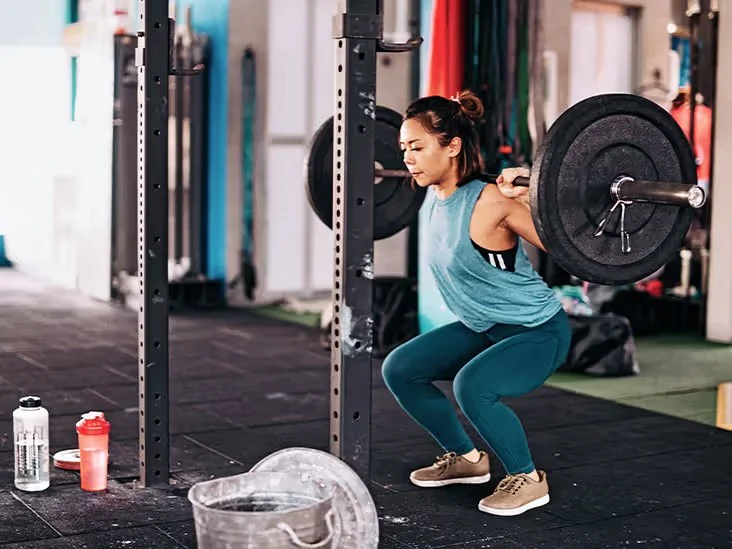
Bodyweight squats target your quads, hamstrings, and glutes. Increase the difficulty by trying one-legged squats (pistol squats), jump squats, or Bulgarian split squats. Each variation increases the challenge, helping you build more muscle and strength in your lower body.
3. Lunges
Lunges work the legs and glutes, and they are easy to modify for progressive overload. Start with basic lunges, then move to jumping lunges or walking lunges. As your strength improves, increase the number of reps or sets to continue progressing.
4. Planks
Planks are excellent for core strength. Start with the standard forearm plank and hold for as long as you can. Once you’ve mastered the basic plank, try variations like side planks, plank with leg raises, or dynamic planks to increase the intensity and challenge your core even more.
5. Burpees
Burpees combine squats, push-ups, and jumps, making them a full-body workout that’s excellent for building strength and cardiovascular endurance. As you get fitter, you can add more reps or increase the speed to make burpees even more intense.
4. Tracking Progress and Adjusting Workouts
Tracking your progress is crucial for ensuring you’re consistently challenging your body and achieving your fitness goals. Here’s how you can track your bodyweight workout progress:
1. Keep a Workout Log
Use a fitness app or a simple notebook to record your workouts. Note down the exercises, number of sets and reps, and the intensity or modifications you’ve made. Tracking this over time will help you see where you’re improving and where you need to push harder.
2. Regular Fitness Assessments
Every few weeks, assess your performance in key exercises like push-ups, squats, and planks. Record your progress and compare it with previous sessions to gauge improvement. This will give you a clear picture of how much stronger and fitter you’ve become.
3. Adjust Workouts Based on Progress
If you notice that you’re no longer feeling challenged by a certain exercise or routine, it’s time to modify your workouts. Increase the intensity, modify the exercises, or decrease rest time to keep progressing and avoid hitting a plateau.
5. Tips for Maximizing Results This Fall
As the weather cools down, it’s the perfect time to intensify your bodyweight training. Here are some tips to help you get the most out of your progressive overload training this fall:
1. Stay Consistent
Consistency is key to making progress with any fitness program. Stick to a regular workout routine, progressively challenging yourself each week. Consistency over time leads to lasting results.
2. Incorporate Rest and Recovery
While progressive overload is essential for growth, don’t forget the importance of rest. Allow your body to recover between workouts to avoid injury and promote muscle repair and growth. Aim for at least one or two rest days per week.
3. Keep Your Nutrition in Check
Nutrition plays a significant role in supporting muscle growth and recovery. Ensure you're eating a balanced diet with enough protein, healthy fats, and complex carbohydrates to fuel your workouts and help your muscles repair and grow.
For more training tips and the best workout gear, visit Hot Fitness, where we provide expert advice and quality products to support your fitness journey. Stay active this fall and reach your fitness goals with bodyweight exercises and progressive overload!




 LA Fitness3.0 (431 reviews)
 HI Boxing5.0 (15 reviews)
 F45 Training4.0 (45 reviews)
 Orangetheory Fitness4.0 (135 reviews)
 Pawling Yoga & Wellness5.0 (6 reviews)
 Gateway Fitness Gym4.0 (66 reviews)
 Why Yoga Is the Secret to Your Success
 The Best Strength Moves to Improve Rotational Power for Racquet Sports and Throwing Events | Hot Fitness
 The Best Ways to Track Training Load Using a Wearable in Fall 2025
 10 Mistakes to Avoid in Strength Training
 How Home Workouts Can Transform Your Body
 How to Build a Sustainable Training Habit: Micro-Goals, Consistency, and Progress Tracking for Fall