
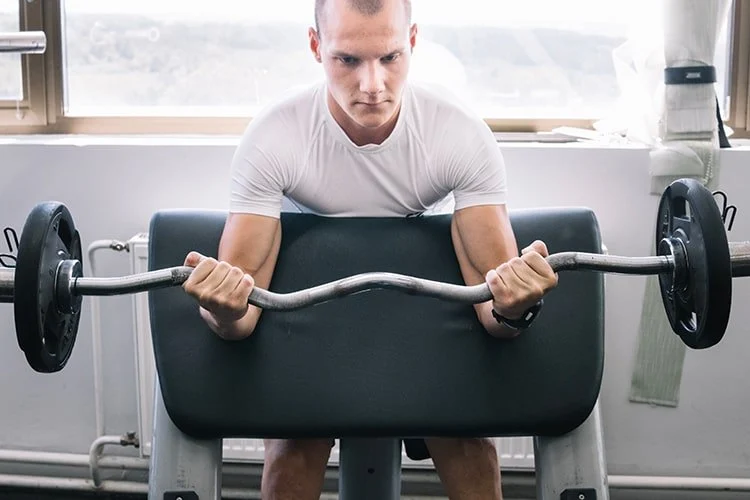
Starting Strong: The Best Beginner Workout Plan for Men
- 1 - Understanding Fitness Goals for Beginners
- 2 - Assessing Your Current Fitness Level
- 3 - Key Components of a Beginner Workout
- 4 - Strength Training Exercises
- 5 - Cardio Routine for Beginners
- 6 - Flexibility and Mobility Work
- 7 - Sample Weekly Workout Schedule
- 8 - Nutrition and Recovery Tips
- 9 - Tracking Progress and Staying Motivated
- 10 - Expert Resources and Further Guidance
Understanding Fitness Goals for Beginners
Before starting any workout plan, it’s crucial to define personal fitness goals. Beginners often aim for weight loss, muscle gain, increased endurance, or general health improvement. Clear goals help structure your workout plan effectively and maintain motivation throughout your journey.
For example, John, a 28-year-old office worker, wanted to build lean muscle without spending hours at the gym. Establishing clear goals allowed him to focus on compound movements and high-intensity circuits efficiently.

Douglasville Gymnastic & Cheerleading / douglasville gymnastic & cheerleading
DouglasvilleDouglas CountyGeorgia
8877 Bright Star Rd, Douglasville, GA 30134, USA
Assessing Your Current Fitness Level
Understanding your starting fitness level helps tailor the beginner workout plan appropriately. Assess strength, flexibility, cardiovascular endurance, and mobility. Simple tests such as push-up counts, bodyweight squats, and a timed walk can provide a baseline.
Recognizing limitations and strengths prevents injury and ensures steady, sustainable progress.

F45 Training Williamsville NY / f45 williamsville ny
WilliamsvilleErie CountyNew York
5475 Sheridan Dr, Williamsville, NY 14221, USA
Key Components of a Beginner Workout
A balanced beginner workout plan combines three primary components: strength training, cardiovascular exercise, and flexibility/mobility work. Strength exercises build muscle and boost metabolism, cardio improves heart health, and mobility exercises maintain joint health and prevent injury.
Integrating all three ensures comprehensive fitness development and avoids overtraining specific areas.
Strength Training Exercises
Key exercises for beginners include bodyweight movements such as squats, push-ups, lunges, and planks. Incorporating free weights or resistance bands gradually adds intensity. Focus on proper form, controlled movements, and moderate repetitions to build strength safely.
Progressive overload—gradually increasing weight or repetitions—ensures continuous improvement without overexertion.
Cardio Routine for Beginners
Cardiovascular exercises enhance stamina and support weight management. Beginners may start with brisk walking, cycling, or low-impact interval training. Aim for 20–30 minutes per session, three to five times per week.
For example, Emily, a 30-year-old beginner, alternated walking and light jogging intervals, gradually increasing intensity while avoiding burnout.
Flexibility and Mobility Work
Stretching and mobility exercises prevent stiffness, improve posture, and reduce the risk of injury. Incorporate dynamic stretches pre-workout and static stretches post-workout. Yoga or foam rolling can enhance recovery and improve range of motion.
Consistency in flexibility routines contributes significantly to overall fitness, particularly for men who may focus heavily on strength training.
Sample Weekly Workout Schedule
A practical beginner schedule might include:
- Monday: Upper body strength + mobility
- Tuesday: Cardio (brisk walk or cycling)
- Wednesday: Lower body strength + stretching
- Thursday: Rest or light cardio
- Friday: Full-body strength circuit
- Saturday: Cardio + flexibility work
- Sunday: Rest and recovery
This balanced approach ensures muscle recovery, cardiovascular improvement, and overall progression without overwhelming a beginner.
Nutrition and Recovery Tips
Proper nutrition complements workouts. Focus on protein-rich foods, complex carbohydrates, healthy fats, and adequate hydration. Sleep and active recovery are equally important for muscle repair and performance.
Tracking calorie intake and nutrient balance supports energy needs and enhances results. Beginners often underestimate recovery, but prioritizing rest is critical for sustainable progress.
Tracking Progress and Staying Motivated
Monitoring performance through journals, apps, or photos helps track gains, identify plateaus, and maintain motivation. Celebrating small achievements, adjusting workouts, and setting incremental goals reinforce consistency.
John, mentioned earlier, documented his weightlifting progress weekly and adjusted exercises based on performance, maintaining momentum and avoiding discouragement.
Expert Resources and Further Guidance
For comprehensive guidance, resources like Hot Fitness provide structured plans, instructional videos, and expert advice tailored to men starting their fitness journey. Leveraging professional insights ensures safe, effective progression and long-term results.
Engaging with expert-backed programs can accelerate improvements, reduce injury risk, and make the fitness journey more enjoyable and sustainable.


 Christy's Gymnastics Inc2.0 (21 reviews)
 STUDIO II by Freeman Pilates5.0 (1 reviews)
 Club Fitness - Hampton4.0 (618 reviews)
 The Stiletto Gym4.0 (86 reviews)
 The Fitness Mill4.0 (202 reviews)
 New York Sports Club4.0 (385 reviews)
 How to Use Minimal Equipment Full-Body Routines When You’re Traveling This Autumn
 Top 5 Myths About Training and How to Overcome Them
 The Best Glute-Focused Leg Day Routine: Sculpt Your Glutes with These Effective Exercises
 Why Fitness Is the Secret to Your Success in Life and Career
 Best Warm Clothing Choices for Early Morning Runs Without Sacrificing Breathability
 The Complete Guide to Interval Pacing for 5K, 10K and Half Marathon Races