

Rest Between Sets: Choose Time by Training Goal
On this page
Quick answer
Choose rest between strength sets by the next set's purpose. Heavy, technical or explosive work usually needs longer recovery; moderate muscle-building sets often use a middle range; circuits may use shorter planned transitions when technique remains stable. Start the next set when breathing is controlled, the target muscles can produce the planned effort and setup is safe. Extend rest when performance or form drops unexpectedly.
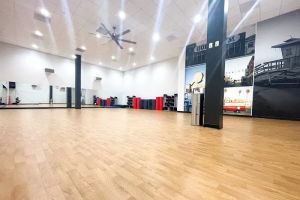
Gold's Gym - Germantown / gold's gym germantown md
GermantownMontgomery CountyMaryland
12922 Middlebrook Road, Germantown, MD 20874, USA
Why rest time matters
Inter-set rest is the recovery period between work sets. It allows breathing, energy supply, concentration and force production to recover enough for the next task.
Short rest can make a session feel harder, but greater discomfort is not automatically better training. Insufficient recovery may reduce repetitions, load, speed or technique; excessive unplanned rest may make a session inefficient or change the intended conditioning effect.

A goal-based starting guide
- Heavy strength: often several minutes so the next set can reproduce high force and stable technique.
- Power or speed: enough recovery to restore movement quality; stop when speed clearly falls.
- Muscle-building work: often a moderate rest period that supports planned repetitions and load.
- Muscular endurance: shorter rest may be programmed, but technique and range still set the boundary.
- Circuits: transition time depends on exercise order, equipment safety and cardiovascular demand.
- Skill practice: rest until concentration and precise execution return.
Exact time varies with exercise size, load, repetitions, training age, heat, sleep, age and health. Treat a program's timer as a starting prescription, not an emergency countdown.
Readiness checklist before the next set
- Breathing: controlled enough to brace and follow instructions.
- Technique: you can set the correct stance, grip and range without rushing.
- Target effort: the planned load and repetitions still look realistic.
- Local fatigue: shaking, cramping or loss of control has settled.
- Attention: you can focus on the movement and surroundings.
- Equipment: weights, clips, bench and floor are reset safely.
- Symptoms: no chest pressure, faintness, severe breathlessness or sharp pain.
Ready to continue: expected fatigue with recoverable breathing and stable setup. Not ready: technique is uncertain, dizziness persists or the prior set caused an unusual symptom.
How to adjust rest in real time
- If repetitions fall below plan, add recovery before reducing load.
- If bar or body speed drops during power work, extend rest or end the exercise.
- If the same work feels much easier, add load gradually before cutting rest drastically.
- If grip limits a different target muscle, consider exercise order, straps where appropriate or longer rest.
- If another station is occupied, substitute only a comparable planned movement rather than rushing.
- If heat, poor sleep or illness raises effort, use longer rest and lower total work.
Change one variable at a time. Reducing rest while adding load and sets makes it difficult to know what caused a performance change.
Build rest into the session
- Write a rest range beside each exercise.
- Start timing after the set and equipment is safely placed.
- Use the first part of rest to breathe and note repetitions or RPE.
- Prepare equipment without blocking others or creating trip hazards.
- Begin within the range only if the readiness checklist is met.
- Record repeated extensions so the next program version is realistic.
Alternating non-competing exercises can save time, but it is not true rest if both movements tax the same grip, trunk, breathing or joints. Preserve enough recovery for each exercise's purpose.
Safety boundaries
Stop training for chest pain or pressure, fainting, sudden weakness, loss of coordination, severe unusual shortness of breath, sharp pain or suspected injury. Seek urgent medical care for emergency symptoms.
People with health conditions, pregnancy, recent surgery or medicines affecting heart rate, blood pressure or balance may need individualized exercise and rest guidance. Longer rest is not failure; it may be the correct dose.
Evidence and scope notes
This guide reflects general strength and conditioning practice: rest is selected to preserve the intended training quality. No single interval is best for all exercises or goals. Research comparisons depend on total volume, training experience and whether sets are taken near failure.
The article is educational and does not replace medical clearance, rehabilitation instructions or coaching on complex lifts.
Frequently asked questions
Is 30 seconds enough between sets?
It may suit some light circuits or endurance work, but it is often too short for heavy or technical sets. Use the next set's quality as the test.
Does shorter rest burn more fat?
Short rest can raise acute cardiovascular demand, but body-composition change depends on the overall training and nutrition pattern, not one timer setting.
Should I sit or walk during rest?
Either can work. Choose the position that restores breathing and focus safely without occupying equipment or creating dizziness when standing.
Why do later sets need longer rest?
Fatigue accumulates across work. Longer recovery may preserve load, repetitions and technique, or the session volume may need adjustment.
Can I use heart rate to decide?
Heart rate may help for conditioning but does not fully measure muscle or nervous-system recovery. Combine it with technique and performance readiness.
Next steps
Add a rest range and performance goal to each exercise in your next workout. Track actual rest, repetitions and technique for two weeks. Extend recovery when quality drops, and shorten it only when the intended work remains safe and repeatable.



 Burn Boot Camp4.0 (138 reviews)
 Pilates Hotties5.0 (38 reviews)
 Core Burn Pilates North Greenwich5.0 (1 reviews)
 Crunch Fitness - Cicero4.0 (180 reviews)
 Club Pilates4.0 (160 reviews)
 Gloveworx4.0 (35 reviews)
 The Best Full Body Workout Routine for Muscle Growth
 The Best Strength Moves to Improve Your Vertical Jump and Short-Distance Power This November
 How to Build Shoulder Health and Stability for Racket Sports and Lifting in Fall
 The Best Methods to Implement Progressive Overload Safely for Runners and Cyclists This Fall
 How to Stay Motivated in Your Gym: Tips for Consistent Fitness Progress
 How to Increase Muscle Endurance with Smart Training