
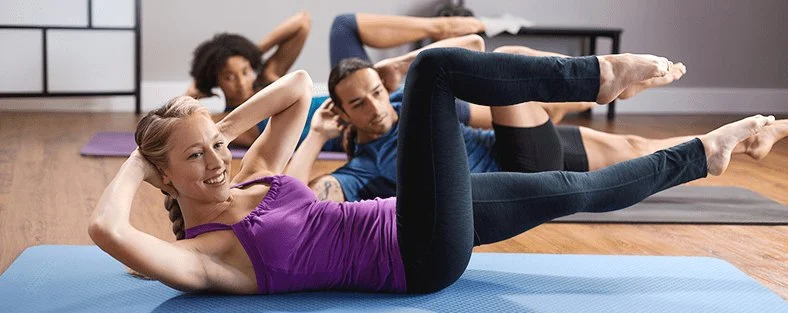
- 1-What Is Pilates?
- 2-Why Incorporate Pilates Into Your Day?
- 3-Best Times to Practice Pilates
- 4-How to Start a Pilates Routine
- 5-Real-Life Success Stories with Pilates
1. What Is Pilates?
Pilates is a low-impact exercise system developed by Joseph Pilates in the early 20th century. It focuses on strengthening the body’s core muscles, improving flexibility, and enhancing overall posture and balance. Pilates combines controlled movements with breathing techniques to increase muscle endurance and promote body awareness.
Unlike high-impact exercises that focus on building muscle bulk, pilates emphasizes lengthening and strengthening muscles, which can improve flexibility, coordination, and stability. It can be performed using only your body weight or with the help of specialized equipment such as a reformer or a cadillac.
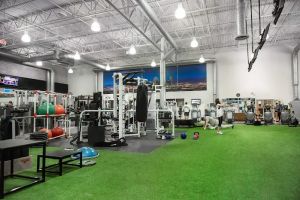
EōS Fitness / eōs fitness scottsdale photos
ScottsdaleMaricopa CountyArizona
14843 N Northsight Blvd, Scottsdale, AZ 85260, USA
2. Why Incorporate Pilates Into Your Day?
Incorporating pilates into your daily routine offers a wide range of benefits for both your physical and mental health. Here are some reasons why adding pilates to your day can improve your lifestyle:
- Improves Core Strength: Pilates targets the core muscles, which include your abdomen, lower back, and hips. Strengthening these muscles can improve posture, prevent back pain, and enhance overall physical stability.
- Increases Flexibility: Pilates emphasizes stretching and lengthening muscles, which can improve flexibility and reduce muscle stiffness over time. This can make daily activities like bending, reaching, and twisting easier and less painful.
- Promotes Better Posture: Many people suffer from poor posture due to sedentary lifestyles, but pilates helps to correct this by strengthening the muscles that support the spine. Better posture can help you feel more confident and prevent long-term joint and muscle issues.
- Boosts Mental Clarity and Focus: Pilates requires concentration on both physical movements and breath control, which can improve your focus and mental clarity. This can have a calming effect and help reduce stress and anxiety.
3. Best Times to Practice Pilates
One of the great things about pilates is that it can be easily incorporated into your daily schedule, regardless of how busy you are. Here are some optimal times during the day to practice pilates:
- Morning Pilates: Starting your day with a pilates routine can help wake up your body, improve circulation, and set a positive tone for the rest of the day. Morning sessions can be quick and energizing, perfect for enhancing your flexibility and preparing for a busy day ahead.
- Midday Pilates: If you have a break during your workday, a short pilates session can help relieve tension and stress. It’s a great way to improve your posture and reset your energy before tackling the rest of the day’s tasks.
- Evening Pilates: A more relaxing, slower-paced pilates routine in the evening can help unwind and relax the body after a hectic day. It can help reduce muscle tension, promote relaxation, and improve sleep quality by encouraging a mindful and gentle movement practice.
4. How to Start a Pilates Routine
Getting started with pilates doesn’t require a lot of equipment or experience. Here’s how you can begin incorporating pilates into your daily routine:
- Start Small: If you’re new to pilates, begin with short, simple sessions (10-15 minutes) to familiarize yourself with the movements. Focus on learning the basics, such as breathing techniques and the core principles of pilates, before gradually increasing the length and intensity of your workouts.
- Choose Your Space: Find a quiet, comfortable space in your home or office where you can practice without distractions. All you need is a mat, and if you’re using equipment, consider investing in a pilates reformer or resistance bands.
- Find Online Classes: There are countless online resources for pilates, including video tutorials and virtual classes. This is a great way to get started from the comfort of your home, and many classes cater to different fitness levels.
- Consistency Is Key: To see the benefits of pilates, consistency is important. Aim to practice at least 3-4 times a week, and gradually increase the duration and intensity of your sessions as your body becomes stronger and more flexible.
5. Real-Life Success Stories with Pilates
Real-life stories from individuals who have successfully incorporated pilates into their daily routines can be incredibly inspiring. Here’s an example:
Take Sarah, a busy professional who was struggling with chronic lower back pain. After her doctor recommended pilates, she started incorporating it into her daily routine. At first, she did short 15-minute sessions each morning before work. Over time, she noticed significant improvements in her posture, strength, and flexibility. Not only did pilates help alleviate her back pain, but it also improved her mental clarity and reduced stress. Sarah now practices pilates daily and has become an advocate for how it positively impacted her lifestyle.
This story is just one of many examples of how pilates can transform your life, from alleviating physical discomfort to boosting mental well-being.
If you're ready to start your pilates journey, visit Hot Fitness for expert tips, equipment recommendations, and online classes to help you get started on your path to a healthier and more balanced life.


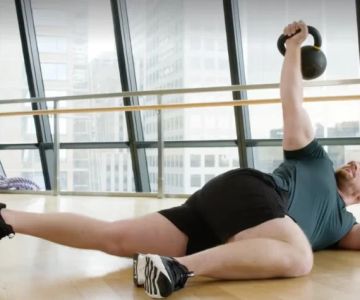

 The Clinic Muay Thai Gym5.0 (20 reviews)
 Sweep the Sheds Weightlifting and Performance5.0 (117 reviews)
 St Francis High School Gym4.0 (22 reviews)
 Eagle Fitness Center4.0 (136 reviews)
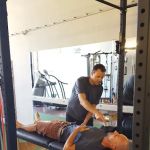 Gwrx Fitness & Fitness Equipment5.0 (3 reviews)
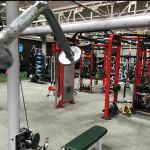 mActivity Fitness Center4.0 (248 reviews)
 10 Common Fitness Mistakes to Avoid for Better Results
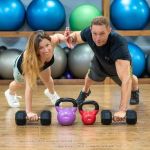 How Gym Can Transform Your Body
 Best Foods to Eat Before and After Muscle Gain for Optimal Results
 How to Do HIIT Safely and Effectively: Essential Tips for Maximum Results
 The Best GPS Watches for Fall Training: Battery Life, Accuracy, and Features
 How to Set Realistic Fall Fitness Goals That Keep You Motivated All Season