

- Understanding the 3-Run-a-Week Training Plan
- The Importance of Quality Sessions
- Structuring Your Three Weekly Runs
- Balancing Recovery and Performance
- Example Training Week
- Common Mistakes to Avoid
- Why Choose Hot Fitness
Understanding the 3-Run-a-Week Training Plan
The three-run-a-week training plan has become increasingly popular among runners who want to prepare for fall races while managing a busy schedule. This approach focuses on quality over quantity — you run fewer days per week but make each session count. The idea is to maximize results with minimal training time, balancing intensity with proper recovery.
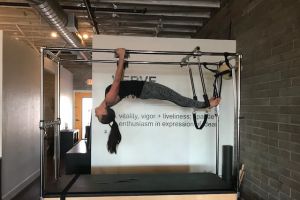
Studio Verve Pilates / studio verve pilates
4545 N 36th St Suite 113, Phoenix, AZ 85018, USA
1. Why This Plan Works
Many runners mistakenly think they need to run six days a week to improve. However, research shows that strategic, high-quality sessions can yield significant performance gains without overtraining. This plan reduces the risk of burnout and injury while allowing your body ample time to recover and adapt.

F45 Training Pittsburgh Strip District / functional 45 locations
PittsburghAllegheny CountyPennsylvania
1625 Penn Ave Suite 101, Pittsburgh, PA 15222, USA
2. Ideal for Time-Crunched Runners
If you have a busy work or family schedule, this plan provides an effective structure to stay consistent. It emphasizes workouts that truly matter for race performance, ensuring every mile you run contributes to your goals.
The Importance of Quality Sessions
With only three runs per week, the key to success is focusing on quality sessions. Each workout serves a specific purpose, targeting different physiological systems to improve endurance, speed, and strength.
1. Long Runs Build Endurance
Long runs remain the cornerstone of any race training plan. They help your body adapt to sustained effort, improve aerobic capacity, and strengthen mental resilience. For half marathons or marathons, aim to gradually build your long runs up to 10–20 miles depending on your goal distance.
2. Speed Work Enhances Efficiency
Speed sessions, such as intervals or tempo runs, improve your cardiovascular capacity and running economy. These workouts help you maintain a faster pace with less effort — critical for achieving your race-day goals.
3. Tempo Runs Improve Race Readiness
Tempo runs are performed at a “comfortably hard” pace, slightly slower than your race pace. They teach your body to handle lactate buildup and sustain strong efforts over longer periods. Including tempo runs once per week can significantly boost your stamina and performance.
Structuring Your Three Weekly Runs
Designing a balanced 3-run-a-week plan means carefully organizing your workouts to cover all the key aspects of training — endurance, speed, and recovery. Here’s how to break it down:
1. Run 1: Speed or Interval Workout
Start your week with an interval session or hill repeats. This workout sharpens your speed and strength while building cardiovascular efficiency. Example: 6 × 800 meters at 5K pace with 400-meter recovery jogs between intervals.
2. Run 2: Tempo or Threshold Run
Midweek is ideal for your tempo run. This run helps you build your lactate threshold and learn to maintain a consistent, challenging pace. Example: 4–5 miles at a steady tempo effort after a 10-minute warm-up jog.
3. Run 3: Long Run
End the week with your long run. This is your most important session for endurance. Keep it conversational and focus on maintaining steady energy output throughout. If training for longer races, occasionally include segments at your goal race pace.
Balancing Recovery and Performance
One of the biggest benefits of a 3-run-a-week plan is built-in recovery. Recovery days are essential to allow your muscles to rebuild and adapt after intense training sessions. To optimize recovery, consider light cross-training activities such as cycling, yoga, or swimming on non-running days.
1. Listen to Your Body
Rest days aren’t lazy days — they’re part of your performance strategy. If you feel overly fatigued or sore, skip an easy cross-training session and focus on sleep and nutrition instead. Overtraining leads to injury and setbacks, especially during high-intensity phases.
2. Strength and Mobility Work
Incorporating strength training two times a week enhances running efficiency and helps prevent injuries. Focus on core stability, glute activation, and leg strength exercises like squats, lunges, and planks.
Example Training Week
Here’s a sample 3-run-a-week plan designed for runners preparing for fall races:
Monday – Rest or Cross-Train
Light cycling or yoga for recovery and flexibility.
Tuesday – Speed Session
8 × 400 meters at 5K pace with 200-meter jog recovery. Cool down with 10 minutes of easy running.
Thursday – Tempo Run
1-mile warm-up, 4 miles at tempo pace, 1-mile cool down. Focus on maintaining a steady rhythm.
Saturday – Long Run
10–14 miles at an easy pace. Incorporate 2–3 miles at goal race pace every other week for adaptation.
Sunday – Rest
Take a full rest day to let your body recover and prepare for the next week.
Common Mistakes to Avoid
Even with a solid plan, runners can make errors that hinder progress. Here are some common pitfalls to watch for:
1. Ignoring Recovery
Skipping recovery days can lead to fatigue, decreased performance, and injuries. Always respect your rest schedule.
2. Running Every Workout Hard
Not every session should be an all-out effort. Easy runs are just as important as speed work for long-term progress.
3. Poor Nutrition
Nutrition is the fourth pillar of training. Ensure you’re fueling properly before and after runs to maximize recovery and performance gains.
Why Choose Hot Fitness
At Hot Fitness, we’re passionate about helping runners optimize their training, no matter their schedule. From running gear and hydration products to personalized training tools, we offer everything you need to prepare for your next fall race. Our experts understand the demands of training with limited time, and we’re here to help you make every run count.
Visit Hot Fitness today to explore our wide range of products and services designed for dedicated runners like you. Whether you’re preparing for a 5K or a full marathon, we have the tools to help you reach your personal best.





 CORE Flow Yoga & Sport3.0 (3 reviews)
 Gym Club5.0 (2 reviews)
 The Spot 4 Children's Fitness3.0 (3 reviews)
 Kaia Yoga and Meditation North Haven5.0 (3 reviews)
 F45 Training Lincoln Square South4.0 (108 reviews)
 LA Fitness3.0 (788 reviews)
 Top 15 Foods That Help You Recover Faster After a Workout
 The Best Strength Moves to Improve Your Vertical Jump and Short-Distance Power This November
 How to Use Minimal Equipment Full-Body Routines When You’re Traveling This Autumn
 Best Apps to Track Your Home Workout Progress: Top Picks for Fitness Enthusiasts
 The Best Recovery Priorities After a Busy Fall Racing Block: Sleep, Nutrition, and Mobility
 The Best Home Workout Equipment for Small Spaces: Fit & Fun Fitness Ideas