- 1. Why Build Lean Muscle?
- 2. 12-Week Workout Plan Overview
- 3. Key Exercises for Building Lean Muscle
- 4. Nutrition for Lean Muscle Growth
- 5. The Importance of Recovery and Rest
- 6. Tracking Progress and Staying Motivated
1. Why Build Lean Muscle?
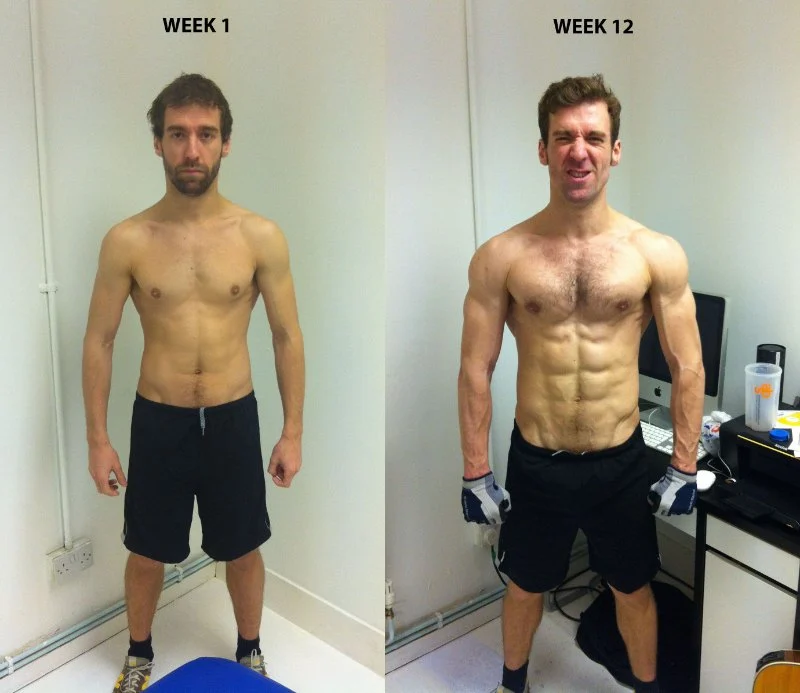
Building lean muscle not only enhances your physique but also boosts overall health. Lean muscle increases metabolism, supports bone health, and improves functional strength. Unlike bulking, which may lead to excess fat gain, building lean muscle helps you achieve a toned and defined body. It’s ideal for individuals who want to look and feel stronger without adding unnecessary bulk.
Additionally, having more lean muscle mass makes daily activities easier, from lifting heavy objects to performing athletic activities. It also supports long-term fitness goals by improving endurance, strength, and stability. A lean muscle-focused workout plan can significantly enhance your performance in other activities, including running, cycling, and even weightlifting.

CorePower Yoga - Westwood / westwood corepower
Los AngelesLos Angeles CountyCalifornia
1031 Glendon Ave, Los Angeles, CA 90024, USA
2. 12-Week Workout Plan Overview
A 12-week workout plan is a structured approach that gradually increases intensity and volume to ensure sustainable muscle growth. The key to building lean muscle is progressive overload, which involves increasing the weight or intensity of your exercises over time. Here’s how the plan is typically structured:

[solidcore] Downtown Brooklyn / solidcore brooklyn
Retail H, 219 Livingston St, Brooklyn, NY 11201, USA
Weeks 1-4: Foundation and Strength Building
The first four weeks focus on building a foundation of strength. During this phase, you’ll work on mastering proper technique, improving your endurance, and getting your body accustomed to lifting weights. Exercises will be lower in intensity, with a focus on compound movements like squats, deadlifts, and bench presses.
Weeks 5-8: Hypertrophy and Muscle Growth
In this phase, the volume and intensity increase, focusing on hypertrophy (muscle growth). You’ll incorporate more isolation exercises, like bicep curls, tricep extensions, and leg curls, while continuing with the compound lifts. Your rest periods will be reduced to create more muscle tension and promote growth. The goal is to increase the number of sets and reps to maximize muscle engagement.
Weeks 9-12: Refinement and Peak Performance
The final phase focuses on refining muscle definition and strength. Intensity will peak with heavier weights and more challenging variations of exercises. You’ll continue to do compound lifts but will also incorporate advanced techniques like drop sets and supersets to push your muscles to their maximum potential. This phase is all about taking your muscles to failure to ensure maximum adaptation and growth.
3. Key Exercises for Building Lean Muscle
To build lean muscle, focusing on compound exercises that work multiple muscle groups is essential. Here are some of the best exercises to include in your 12-week workout plan:
1. Squats
Squats are one of the best exercises for building leg muscles and core strength. They target the quads, hamstrings, glutes, and lower back. Adding variations like front squats and Bulgarian split squats can further challenge your muscles and promote growth.
2. Deadlifts
Deadlifts are a compound movement that strengthens your entire posterior chain, including the glutes, hamstrings, back, and core. They’re essential for building strength and muscle mass in the lower body.
3. Bench Press
The bench press is a fundamental exercise for building upper body strength. It primarily targets the chest, shoulders, and triceps. Use variations like incline and decline bench presses to work different parts of the chest and increase muscle activation.
4. Pull-Ups
Pull-ups are great for building back and bicep muscles. They can be performed with bodyweight or weighted to increase difficulty. If pull-ups are too challenging, you can start with assisted pull-ups or lat pulldowns.
5. Shoulder Press
The shoulder press targets the deltoids and triceps, helping you develop a strong, well-rounded upper body. Perform this exercise with dumbbells or a barbell for maximum results.
4. Nutrition for Lean Muscle Growth
Nutrition plays a vital role in building lean muscle. Without proper fuel, your muscles won’t recover or grow. Here are some essential dietary considerations:
1. Protein Intake
Protein is the building block of muscle. Aim for around 1.6 to 2.2 grams of protein per kilogram of body weight to optimize muscle growth. Good sources of protein include chicken, turkey, eggs, lean beef, tofu, and legumes.
2. Carbohydrates for Energy
Carbs are your body’s primary source of energy. Consuming enough carbohydrates helps to fuel your workouts and supports recovery. Opt for complex carbs like whole grains, brown rice, oats, and sweet potatoes to sustain energy levels throughout the day.
3. Healthy Fats
Incorporate healthy fats into your diet to support overall health and hormone regulation. Sources include avocados, olive oil, nuts, and fatty fish like salmon. Healthy fats also provide long-lasting energy and aid in muscle recovery.
5. The Importance of Recovery and Rest
Recovery is just as important as training when it comes to building lean muscle. Your muscles need time to repair and grow after each workout. Here’s how to ensure optimal recovery:
1. Get Enough Sleep
Sleep is crucial for muscle repair and recovery. Aim for 7-9 hours of sleep per night to allow your muscles to heal and grow. Poor sleep can hinder progress and increase the risk of injury.
2. Rest Days
Incorporate rest days into your workout plan to give your muscles time to recover. Overtraining can lead to burnout and increase the risk of injury. Listen to your body and take breaks when needed.
3. Active Recovery
On rest days, engage in low-intensity activities like walking, yoga, or stretching to promote blood flow and reduce muscle stiffness. This helps in the recovery process while keeping you active.
6. Tracking Progress and Staying Motivated
Tracking your progress is essential to staying on track with your muscle-building goals. Use a workout log or app to track your weights, reps, and sets. This will help you monitor improvements and ensure that you’re progressing steadily. Additionally, setting short-term goals, celebrating achievements, and staying consistent will keep you motivated throughout the 12-week plan.
For additional tips, workout plans, and resources to build lean muscle, visit Hot Fitness to find the best tools and support for your fitness journey.





 Fit 4 Life Training Systems0.0 (0 reviews)
 HEAL YOGA5.0 (3 reviews)
 PUSH Performance4.0 (32 reviews)
 Detox Yoga Wentzville5.0 (105 reviews)
 Planet Fitness4.0 (981 reviews)
 21 Pilates NYC3.0 (71 reviews)
 Best Foods to Eat Before and After Exercise: Fuel Your Body Right
 Beginner’s Guide to Yoga: Tips, Poses, and Practices for Starting Your Journey
 Advanced Techniques for Better Cardio Results
 How to Build Resilience: Strategies for Staying Injury-Free Through Fall Training
 Why Everyone Should Try Workout – Benefits and Tips for Fitness Enthusiasts
 The Best Strength Exercises to Improve Balance and Reduce Fall Risk for Older Adults in Autumn