

- 1. Understanding the Importance of Breathing for Runners
- 2. Breathing Techniques for Improving Running Performance
- 3. How to Incorporate Breathing Habits into Your Running Routine
- 4. Breathing Strategies for Accelerated Recovery After Running
- 5. Real-Life Stories of Runners Boosting Performance with Breathing Techniques
1. Understanding the Importance of Breathing for Runners
Breathing is often something runners take for granted, but it plays a crucial role in both performance and recovery. The way you breathe while running directly affects your stamina, energy levels, and how quickly your body recovers afterward. Proper breathing techniques help supply oxygen to your muscles, regulate your heart rate, and reduce fatigue, all of which are essential for sustaining performance over long distances.
Many runners focus primarily on physical training—strengthening their legs, improving their speed, and increasing their mileage—but without proper breathing, they risk hitting a wall far sooner than they would with effective breathing habits. Developing awareness of your breathing and learning how to control it can make a dramatic difference, especially for long-distance runners or those training for races.
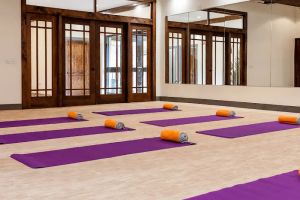
Juniper Yoga + Fitness / hot yoga montclair
MontclairEssex CountyNew Jersey
213 Bellevue Ave, Montclair, NJ 07043, USA
2. Breathing Techniques for Improving Running Performance
The right breathing techniques can help you enhance your running performance by improving oxygen intake, sustaining energy, and preventing the buildup of lactic acid in your muscles. Here are some key techniques to focus on:
- Diaphragmatic Breathing: This deep breathing technique involves using your diaphragm rather than shallow chest breathing. Diaphragmatic breathing helps you take in more oxygen, which fuels your muscles and enhances endurance. Practice by placing your hand on your abdomen—your stomach should rise as you inhale, not just your chest.
- Rhythmic Breathing: Rhythmic breathing involves matching your breath with your stride. For example, inhale for three steps and exhale for two. This technique helps keep your breathing steady and prevents you from running out of breath, which is especially important during intense bursts of running.
- Exhaling Fully: Focus on fully exhaling to clear carbon dioxide from your body. This prevents you from retaining waste gases that can lead to fatigue. A full exhalation allows for a fuller, more efficient inhale on the next breath.
- Through the Nose or Mouth? While breathing through the nose can help regulate your breath and keep it controlled, breathing through the mouth allows you to take in more oxygen quickly during intense running. The best approach is often a combination of both: inhale through the nose during a relaxed pace and exhale through the mouth, especially during high-intensity efforts.
3. How to Incorporate Breathing Habits into Your Running Routine
Incorporating new breathing habits into your running routine requires practice and awareness. Just like physical training, improving your breathing requires consistency. Here are some strategies to help you integrate better breathing techniques:
- Start with Short Runs: Begin by focusing on your breathing during short runs. Set a goal to maintain steady, controlled breathing for the entire run. This allows you to build awareness and avoid breathlessness during longer runs.
- Practice During Warm-Ups and Cool-Downs: Use your warm-up and cool-down sessions to practice deep, diaphragmatic breathing. This helps your body relax and prepares your lungs for more efficient oxygen exchange during your workout.
- Focus on Breathing in Intervals: Break down your runs into intervals. For example, during the first few minutes, focus entirely on deep belly breaths, and then transition to rhythmic breathing as your intensity increases.
- Track Your Progress: Monitor how your breathing improves over time. Consider using a fitness tracker or journal to record how you feel before, during, and after your runs, paying attention to any changes in your breathing patterns and overall performance.
4. Breathing Strategies for Accelerated Recovery After Running
Breathing doesn’t only affect your performance during a run—it also plays a vital role in your recovery afterward. Efficient breathing can help reduce muscle tension, lower your heart rate, and speed up the removal of metabolic waste products like lactic acid. Here are a few breathing strategies to boost your recovery:
- Controlled Breathing Post-Run: After finishing your run, practice slow, controlled breathing to gradually lower your heart rate. Inhale for four seconds, hold for four seconds, and then exhale for six seconds. This will calm your nervous system and help your body transition into a state of recovery.
- Breathing to Relieve Muscle Tension: Deep breathing can help release muscle tightness after a run. Focus on taking deep breaths while gently stretching your legs, paying attention to any areas that feel particularly tight or sore.
- Breathwork for Stress Reduction: Incorporate breathwork techniques like box breathing (inhale for four seconds, hold for four seconds, exhale for four seconds, hold for four seconds) to reduce stress and promote relaxation during your recovery period.
5. Real-Life Stories of Runners Boosting Performance with Breathing Techniques
Many runners have shared how focusing on breathing has improved their performance and recovery. One marathon runner recounts how they struggled with breathlessness during long runs. After dedicating time to practicing diaphragmatic and rhythmic breathing, they noticed a significant reduction in fatigue and were able to maintain a faster pace without feeling winded. The runner credits this improved breathing technique with shaving several minutes off their marathon time.
Another runner, an ultramarathon participant, found that by integrating controlled breathing post-race, they could recover faster and experience less muscle soreness. By using slow, deep breathing during their cool-down, they reported feeling more energized and less stiff the next day—a crucial advantage during back-to-back race events.





 Pulling Water0.0 (0 reviews)
 Heritage Hills Athletic Club3.0 (179 reviews)
 The Sweat Box5.0 (35 reviews)
 Shri Yoga Vedanta Ashram4.0 (28 reviews)
 Blink Fitness Springfield Gardens4.0 (391 reviews)
 Pro Sports Performance4.0 (14 reviews)
 How to Do HIIT Safely and Effectively: Essential Tips for Maximum Results
 How to Build a 6-Week Speed Block That Builds Confidence and PR Potential for Autumn 5Ks
 How to Train for a Multi-Day Hiking Trip: Conditioning, Pack Weight, and Foot Care
 The Best Ways to Recover After a Tough Fall Race Weekend: Protocols and Timelines
 Best Fall Recovery Nutrition: What to Eat After a Long Run or Hard Workout
 Why Yoga Is the Secret to Your Success