Gym Spotter Communication: Agree Before the First Rep
On this page
Quick answer
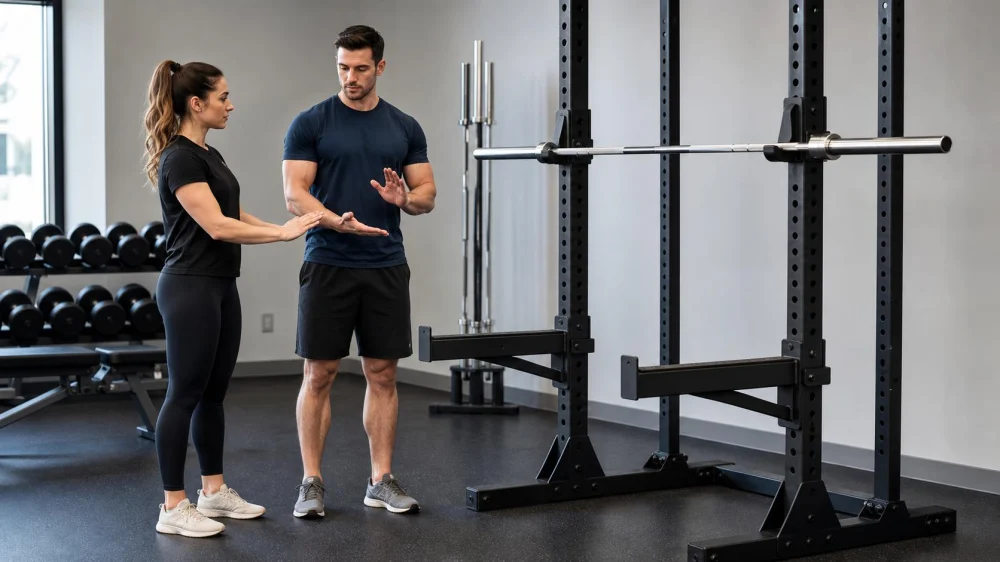
Before a spotted lift, the lifter and spotter should agree on the exercise, equipment setup, load, target repetitions, handoff, expected assistance, stop word, and reracking plan. The spotter must understand the specific movement and remain focused. Use safety arms or other approved equipment when available, reduce the load when control is uncertain, and ask qualified gym staff when either person lacks experience.
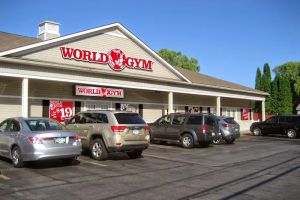
World Gym Fulton / world gym fulton ny
958 W 1st St S, Fulton, NY 13069, USA
What a spotter can and cannot do
A spotter is a focused helper who follows an agreed plan to assist with a particular lift. Spotting can support a handoff, cue an early stop, or help guide a controlled return, but it cannot make an unsuitable load safe, replace rack safeties, compensate for poor equipment setup, or guarantee prevention of injury. Different exercises require different positions and techniques.
This guide is for generally healthy adults in United States gyms using approved strength-training equipment. It is not individualized coaching or medical advice. Facility rules, equipment design, exercise selection, experience, fatigue, mobility, injury history, and number of spotters can change what is appropriate.
Agree on these details first
- The exact exercise, rack or bench, bar or dumbbells, equipment condition, safety-arm height, collars, floor clearance, and gym rules.
- The working load, warm-up completed, recent performance, target repetitions, acceptable effort, and reason a spot is requested.
- How the lifter gets into position, whether a handoff is wanted, the count or cue for release, and where hands will be placed.
- What counts as a normal repetition, a struggling repetition, a failed attempt, and the exact word or signal that ends the set.
- Whether the lifter wants no touch until a stop cue or earlier guidance, and what the spotter can realistically control.
- How both people will rerack, set down, or move away from the equipment if the set ends unexpectedly.
- Alternative choices such as less weight, fewer reps, a machine, safety arms, a qualified coach, or multiple trained spotters.
Set up a clear spotting plan
- Ask directly for a spot and name the movement, load, expected repetitions, and the part of the set that needs help.
- Inspect the equipment together and adjust safeties, supports, bench, collars, and surrounding space according to facility and manufacturer guidance.
- Demonstrate or describe the handoff, stop cue, contact point, assistance level, and reracking sequence before touching the working weight.
- Use a lighter rehearsal or warm-up set so both people can confirm timing and communication without improvising under maximum effort.
- During the set, the spotter stays in position, watches the movement, keeps hands ready as agreed, and does not use a phone or coach unrelated details.
- End the attempt early when technique, path, grip, breathing, balance, pain, equipment, or communication becomes unsafe or unclear.
- After reracking securely, review whether the cues and assistance matched the plan before another set or a load increase.
A brief training log can note the exercise, load, reps, effort, safeties used, spotter, assistance needed, and any pain or unusual symptom. Use it to guide gradual progression, not to pressure a later attempt. Keep health information private and share relevant limitations with qualified professionals as needed.
Important safety boundaries
Do not ask an untrained stranger to catch a load they cannot control, stand where equipment can pin them, or use a spotting method neither person understands. Some lifts and heavy attempts require specialized coaching, multiple spotters, or different equipment. Stop for sharp pain, dizziness, faintness, chest pain, breathing difficulty, neurological symptoms, loss of control, or damaged gear.
Use qualified gym staff or a coach when setting safety arms, selecting a spotting method, or attempting a load beyond routine practice. Seek emergency help for loss of consciousness, severe breathing difficulty, chest pain, major injury, head or neck trauma, uncontrolled bleeding, or another immediate danger. Obtain medical guidance for persistent symptoms or return after injury.
Frequently asked questions
When should I ask for a spot?
Ask when the exercise and load call for assistance and an appropriate trained person is available. A spot does not justify a load beyond safe control.
Should the spotter touch every repetition?
Only if that is the agreed method for the specific exercise. Unplanned contact can disrupt the lifter's path or balance.
Can one person spot every lift?
No. Movement, load, equipment, and facility rules may require multiple spotters, safeties, a coach, or a different exercise.
What should the stop word be?
Use one short unmistakable word or signal both people can recognize immediately in the gym environment.
Is a spotter a substitute for safety arms?
No. Use approved equipment safeguards as intended; a spotter and mechanical safeties serve different roles.
Sources and evidence
Use the gym's current rules, equipment manufacturer instructions, qualified strength-coaching guidance, and individualized medical or rehabilitation advice when relevant. General training practice supports clear cues, progressive loading, focused assistance, and early stopping, but the specific lift and people determine the safe method.
Conclusion and next steps
Ask for the spot before loading the working set, agree on the handoff, cues, assistance, and rerack, and rehearse with less weight. Use equipment safeties and stop early when control is uncertain. If the spotter, lifter, or facility cannot support a clear plan, choose a lighter or different exercise rather than improvising.


 Yakka Flex Fitness0.0 (0 reviews)
 NewBreed Fitness5.0 (2 reviews)
 Snap Fitness Norton4.0 (67 reviews)
 Frejuste Fitness4.0 (4 reviews)
 Daring Dog Yoga0.0 (0 reviews)
 Body In Motion Fitness4.0 (22 reviews)
 Best Pre-Workout Meals for Morning Runners Who Hate Eating Before Exercise
 How to Burn 500 Calories in a 45-Minute Workout Effectively
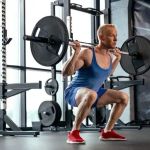 The Best Beginner Leg Day Workout Plan for Strength and Growth
 How to Stay Motivated in Your Healthy Lifestyle – Tips for Long-Term Success
 Top 5 Strength Training Myths You Need to Know
 Gym Sauna After Exercise: Hydrate and Exit Early