
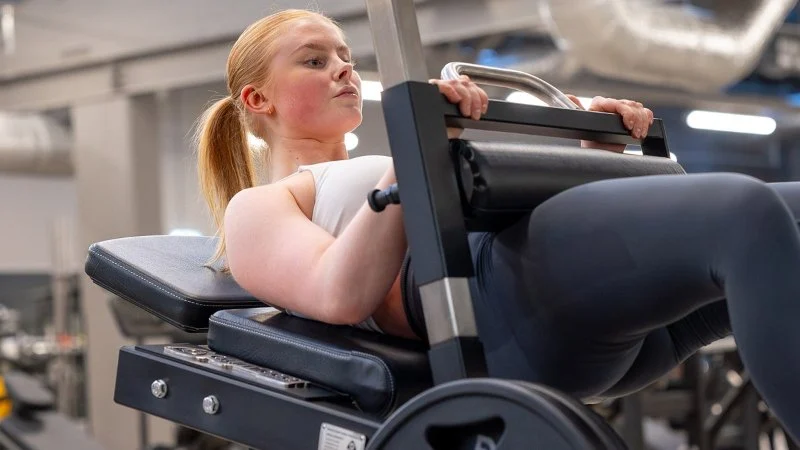
- foundation-understanding-glute-muscles-training-principles - Learn how glute anatomy impacts strength and shape development
- strength-training-core-movements-for-glutes - Discover essential compound lifts that build power and size
- hypertrophy-glute-shaping-techniques - Explore methods to improve glute shape and muscle definition
- training-frequency-recovery-growth-balance - Understand how often to train glutes for best results
- real-world-case-studies-progress-examples - See practical transformations and training stories
- nutrition-recovery-support-muscle-growth - Learn how lifestyle supports glute development
Understanding the Foundation of Glute Development
Building strong and well-shaped glutes is not just about appearance. The gluteal muscles—gluteus maximus, medius, and minimus—play a major role in hip stability, posture, sprint power, and injury prevention. When people search for how to train your glutes, they often jump straight into exercises, but the real progress starts with understanding how these muscles function together under load.
A common misconception is that squats alone are enough. While squats are valuable, they do not fully activate all glute regions equally. The gluteus maximus contributes most to hip extension, while the medius stabilizes the pelvis during movement. Effective training must target both strength and activation patterns.
One real-world example comes from recreational runners who often experience knee pain. In many cases, weak glutes cause the knees to collapse inward during movement. After integrating structured strength training for glutes, many report not only improved performance but also reduced joint discomfort.
Core Strength Training Movements That Build Power
To build real strength and shape, compound movements should form the foundation of any glute training routine. These exercises allow progressive overload, which is essential for muscle growth and strength adaptation.
Hip Thrusts and Glute Bridges
The hip thrust is widely considered one of the most effective glute strength workout movements. It isolates hip extension under load and maximizes glute contraction at the top of the movement. When performed correctly, it creates significant muscle activation compared to many traditional lifts.
A simple variation is the glute bridge, which can be performed on the floor. Beginners often start here before progressing to barbell hip thrusts for higher resistance.
Squats and Deep Variations
Squats remain a foundational movement for lower body muscle building. However, depth and form matter significantly. Deep squats recruit more glute fibers compared to partial-range versions. Adjusting stance width can also shift emphasis toward glute engagement.
Romanian Deadlifts
Romanian deadlifts target the posterior chain, especially the hamstrings and glutes. This movement emphasizes controlled eccentric loading, which contributes to muscle thickness and strength balance across the hips.
Shaping Techniques for Better Muscle Definition
Once foundational strength is established, the focus shifts toward glute shaping exercises that refine muscle definition and symmetry. This phase is where training becomes more targeted and precise.
Isolation movements such as cable kickbacks, lateral band walks, and single-leg variations help correct imbalances and improve muscle activation patterns. These movements are not about lifting heavy loads but about controlled contraction and mind-muscle connection.
A fitness coach once shared a case involving a client who struggled with uneven glute development. By incorporating unilateral training (single-leg exercises), the imbalance corrected over several months, leading to more symmetrical muscle shape and improved squat stability.
Training Frequency and Recovery Balance
One of the most overlooked aspects of how to train your glutes effectively is recovery. Muscles grow during rest, not during workouts. Overtraining can lead to stagnation, fatigue, and even injury.
For most individuals, training glutes two to three times per week provides an optimal balance between stimulus and recovery. Advanced trainees may increase frequency, but only if intensity and volume are carefully managed.
Rest days should not be viewed as inactivity. Light walking, mobility work, and stretching help maintain blood flow and improve recovery efficiency. Consistency over time matters more than excessive daily training.
Real-World Progress Stories and Training Adaptation
A common story in fitness communities involves beginners who initially rely only on cardio, expecting lower body changes. After switching to structured strength training for glutes, many notice significant improvements in posture, athletic performance, and body composition within a few months.
For example, one individual who previously struggled with lower back discomfort discovered that weak glutes were contributing to poor spinal support. After implementing hip thrusts and Romanian deadlifts, both strength and pain levels improved noticeably.
These stories highlight an important principle: glute development is not purely cosmetic—it influences movement quality and long-term physical health.
Nutrition and Recovery Strategies That Support Growth
Training alone is not enough. Muscle development requires proper nutrition and recovery habits. Protein intake supports muscle repair, while adequate carbohydrates provide energy for training performance.
Hydration also plays a role in muscle contraction efficiency and recovery speed. Many athletes underestimate how dehydration can reduce training output.
Sleep is another critical factor. Deep sleep stages are when growth hormone levels peak, supporting tissue repair and adaptation. Without consistent sleep, even the best training program will deliver limited results.
Structuring a Long-Term Glute Training Plan
A well-designed program should progress gradually. Beginners often start with bodyweight movements and resistance bands before transitioning into weighted compound lifts. Over time, progressive overload—gradually increasing resistance—drives continuous improvement.
Intermediate lifters benefit from combining strength-focused days with hypertrophy-focused sessions. This dual approach ensures both power and shape development.
For those seeking guided training plans, performance-based programming, and recovery tools, Hot Fitness offers resources designed to support structured progression and sustainable results.





 Big Four Biomechanics5.0 (31 reviews)
 Burn Boot Camp4.0 (59 reviews)
 The Tumble Gym at Strickland Rd Gymnastics4.0 (39 reviews)
 Ironworks Fitness4.0 (21 reviews)
 FITERNITY4.0 (39 reviews)
 Shine STL Dance Fitness5.0 (1 reviews)
 How to Train Safely with Free Weights
 The Best Strategies for Long-Term Consistency: Fall Habits That Keep You Fit Through Winter
 How to Do Home Workout Safely and Effectively
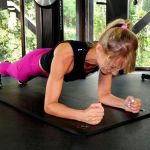 Best Exercises for Strengthening Core and Lower Back
 How to Increase Daily Activity for Weight Loss: Simple Tips for Success
 The Best Strength Moves to Improve Your Vertical Jump and Short-Distance Power This November