

- 1- Nutrition Strategies for Natural Muscle Growth
- 2- Effective Workout Routines
- 3- Rest and Recovery
- 4- Consistency and Motivation
- 5- Real-Life Success Stories
- 6- Common Mistakes to Avoid
- 7- Tips for Long-Term Muscle Maintenance
1. Nutrition Strategies for Natural Muscle Growth
Building muscle without supplements starts in the kitchen. Nutrition provides the essential building blocks for muscle tissue, hormone regulation, and energy. A diet rich in protein, complex carbohydrates, healthy fats, and micronutrients ensures that your body has everything it needs to grow naturally.

Flip Dog Pilates / flip dog pilates
DoylestownBucks CountyPennsylvania
1 Taylor Ave, Doylestown, PA 18901, USA
1.1 Prioritize Protein Intake
Protein is the cornerstone of muscle development. Foods like lean beef, chicken, fish, eggs, Greek yogurt, lentils, and quinoa are excellent sources. Aim for 1.2–2.0 grams of protein per kilogram of body weight daily, spread across meals to maintain a steady supply of amino acids for muscle repair.

Crunch Fitness - East York / crunch york pa
2435 E Market St, York, PA 17402, USA
1.2 Balance Carbohydrates and Fats
Carbohydrates provide the energy required for high-intensity workouts. Include whole grains, oats, brown rice, sweet potatoes, and vegetables in your diet. Healthy fats, found in avocados, nuts, olive oil, and fatty fish, support hormone production, including testosterone, which is vital for muscle growth.
1.3 Hydration and Micronutrients
Staying hydrated is crucial for performance and recovery. Water supports nutrient transport and muscle contraction. Additionally, vitamins and minerals such as magnesium, zinc, and vitamin D play key roles in muscle function and recovery. Incorporate a variety of colorful fruits and vegetables to cover your micronutrient needs.
2. Effective Workout Routines
Exercise is where muscles respond and grow. A well-structured routine should focus on progressive overload, compound movements, and proper form.
2.1 Focus on Compound Exercises
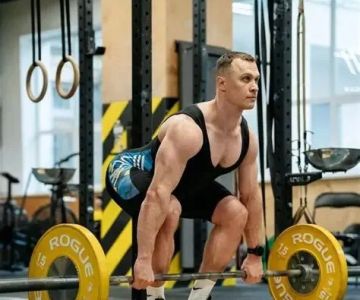
Exercises like squats, deadlifts, bench presses, and pull-ups engage multiple muscle groups simultaneously, creating the hormonal response necessary for muscle growth. Incorporate 3–4 compound exercises per session to maximize efficiency.
2.2 Progressive Overload and Tracking
Progressive overload means gradually increasing the weight, reps, or intensity to challenge your muscles. Keep a workout journal to track performance and ensure you are steadily improving over weeks and months.
2.3 Incorporate Variety and Isolation Movements
While compound exercises form the base, isolation exercises like bicep curls, tricep extensions, and lateral raises target specific muscles for symmetry and definition. Rotate your routine every 6–8 weeks to avoid plateaus.
3. Rest and Recovery
Muscle growth occurs outside the gym, during rest and recovery. Without adequate recovery, you risk injury and hinder progress.
3.1 Prioritize Sleep
Aim for 7–9 hours of sleep per night. Growth hormone secretion peaks during deep sleep, supporting muscle repair and fat metabolism.
3.2 Schedule Rest Days
Incorporate at least 1–2 rest days per week. Overtraining can lead to fatigue, reduced performance, and slower gains. Use active recovery methods like light stretching, yoga, or walking to stay active without straining your muscles.
3.3 Listen to Your Body
Pay attention to soreness, fatigue, and joint discomfort. Adjust workout intensity and rest periods accordingly. Recovery is individual, so tailor your schedule to your body’s signals.
4. Consistency and Motivation
Natural muscle growth is a long-term commitment. Staying consistent with your workouts and nutrition is more important than any short-term hack or supplement.
4.1 Set Realistic Goals
Define short-term and long-term objectives. Whether gaining 5 pounds of lean muscle in three months or improving strength benchmarks, clear goals provide focus and motivation.
4.2 Track Progress and Celebrate Milestones
Take measurements, progress photos, and track performance metrics. Recognizing small victories boosts motivation and helps you maintain a consistent effort.
4.3 Build a Supportive Environment
Engage with communities like Hot Fitness where you can share experiences, seek advice, and access tailored products or services that support your natural muscle-building journey.
5. Real-Life Success Stories
Stories inspire action. Consider John, a 32-year-old teacher from Texas. He avoided supplements entirely, focusing on high-protein meals, heavy compound lifting, and consistent recovery. Within 12 months, he gained 20 pounds of lean muscle and significantly improved his posture and strength. His success demonstrates that natural methods, when combined with dedication and knowledge, can produce impressive results.
5.1 Case Study: Sarah’s Transformation
Sarah, a 28-year-old graphic designer, struggled with slow muscle growth despite regular workouts. After adjusting her nutrition, emphasizing sleep, and using progressive overload in her training, she achieved noticeable muscle definition in just 6 months. Her journey highlights the importance of a holistic approach to natural muscle building.
6. Common Mistakes to Avoid
Understanding pitfalls can accelerate your results and prevent setbacks.
6.1 Overtraining and Ignoring Recovery
Pushing too hard without sufficient rest can hinder growth and increase injury risk. Balance intensity with adequate recovery.
6.2 Relying on Supplements
While supplements can be convenient, natural muscle growth relies on proper nutrition, exercise, and lifestyle. Avoid shortcuts that provide minimal benefit.
6.3 Inconsistent Tracking
Failing to monitor progress can lead to stagnation. Track workouts, meals, and recovery metrics to ensure steady improvement.
7. Tips for Long-Term Muscle Maintenance
Maintaining muscle naturally requires sustainable habits and adjustments over time.
7.1 Regularly Update Your Routine
Muscles adapt. Change exercises, reps, or intensity periodically to challenge your body and avoid plateaus.
7.2 Maintain Nutritional Balance
Consistently consume nutrient-dense foods. Prioritize protein while balancing carbs and fats, and adjust caloric intake according to activity level and goals.
7.3 Monitor Lifestyle Factors
Stress management, quality sleep, and hydration are essential for muscle maintenance. Tools and guidance from resources like Hot Fitness can help optimize these factors effectively.
By following these principles, building muscle mass naturally without supplements becomes an achievable goal. Combining proper nutrition, targeted workouts, recovery, and consistency ensures lasting results and a healthy, strong physique.





 CrossFit CXX5.0 (7 reviews)
 Orangetheory Fitness4.0 (225 reviews)
 Excel Fitness & Sports Training4.0 (41 reviews)
 Scarlet Knights Gymnastics Academy4.0 (25 reviews)
 I Noah Training In Countryside4.0 (77 reviews)
 South Seattle Women's Fitness5.0 (51 reviews)
 Trail Running Essentials: Shoes, Gear and Strength Prep for Rugged Fall Courses
 Plant-Based Athlete Nutrition: Powering Your Fall Workouts Without Animal Products
 How to Use Nighttime Recovery Rituals to Improve Sleep and Training Adaptation During Fall
 Beginner’s Guide to Fitness: Tips for Starting Your Fitness Journey
 How to Manage Training Stress When Work Gets Crazy This Fall
 How to Use Progressive Overload for Endurance Athletes: Balancing Strength Gains and Recovery