
1. Understanding Fat Loss and Muscle Gain
When it comes to fitness, achieving the perfect balance between fat loss and muscle gain can seem like a daunting task. But with the right approach, it is absolutely possible. Understanding the fundamental differences between these two goals is crucial. Fat loss primarily involves burning more calories than you consume, while muscle gain focuses on creating a surplus of calories to fuel muscle growth. To successfully achieve both, a tailored workout plan that balances these goals is essential.
2. Designing a Workout Plan for Fat Loss and Muscle Gain
Designing a workout plan that allows for both fat loss and muscle gain requires a combination of cardiovascular exercise and strength training. Here's how you can structure your routine to maximize your results:
2.1 Focus on Compound Movements
To build muscle while burning fat, incorporate compound movements into your workouts. These exercises work multiple muscle groups at once, increasing calorie burn and promoting muscle growth. Some excellent compound exercises include squats, deadlifts, bench presses, and pull-ups.
2.2 Incorporate High-Intensity Interval Training (HIIT)
HIIT is a great way to burn fat while maintaining muscle mass. It combines short bursts of intense activity with brief recovery periods. Studies show that HIIT can help reduce body fat and improve cardiovascular health while preserving lean muscle.
2.3 Don’t Skip Strength Training
Strength training is key to muscle gain. You don’t need to lift heavy weights to see results, especially if you're a beginner. Start with lighter weights and gradually increase the load as your strength improves. Aim for 3-4 strength training sessions per week, targeting different muscle groups on alternating days.
3. Balancing Your Diet with Your Workout Plan
Your diet plays a crucial role in achieving both fat loss and muscle gain. Without the right nutrition, you won’t see optimal results from your workouts. Here’s how to balance your meals with your exercise routine:
3.1 Eat Enough Protein
Protein is essential for muscle repair and growth. Aim to consume at least 1 gram of protein per pound of body weight each day. Include high-quality sources of protein such as chicken, turkey, fish, tofu, and legumes in your meals.
3.2 Create a Caloric Deficit for Fat Loss
To lose fat, you need to be in a caloric deficit, meaning you burn more calories than you consume. However, be careful not to cut calories too drastically, as this can hinder muscle gain. A moderate deficit of 250-500 calories per day is ideal for gradual fat loss while preserving muscle mass.
3.3 Consume Healthy Fats and Carbs
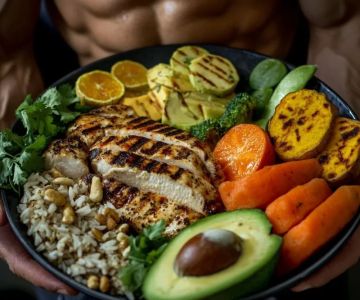
While protein is important for muscle growth, healthy fats and carbs are essential for overall energy and performance. Include sources like avocados, olive oil, sweet potatoes, and quinoa to fuel your workouts and support your muscle recovery.
4. Rest and Recovery for Optimal Results
Rest and recovery are often overlooked in workout plans, but they are just as important as exercise itself. Overtraining can lead to burnout and muscle loss. Aim for 7-9 hours of sleep per night to allow your muscles to recover and grow. Additionally, incorporate rest days into your routine, especially after intense strength training sessions.
4.1 Stretch and Foam Roll
Stretching and foam rolling help improve flexibility and reduce muscle tightness. Incorporate dynamic stretching before workouts and static stretching afterward to improve muscle elasticity and prevent injury.
4.2 Active Recovery Days
On recovery days, engage in low-intensity activities such as walking, swimming, or yoga. These activities promote circulation, which helps reduce muscle soreness and accelerates the recovery process.
5. Real-Life Success Stories
Many people have successfully achieved their fat loss and muscle gain goals by following a balanced workout plan. For instance, John, a 32-year-old father of two, started with a simple plan that combined strength training and HIIT. Within six months, he lost 25 pounds of fat while gaining noticeable muscle. His dedication to both exercise and nutrition made all the difference.
5.1 Consistency is Key
John's success didn’t happen overnight. His journey was marked by consistent effort, tracking his progress, and adjusting his workout plan as needed. Like John, anyone can achieve their fitness goals with a well-structured plan and a commitment to consistency.
6. Tips for Success in Your Workout Journey
To maximize your results and stay on track, here are a few tips to keep in mind:
- Set Clear Goals: Define both short-term and long-term goals, such as losing 5 pounds in a month or gaining 10 pounds of muscle in 6 months. This will help you stay motivated.
- Track Your Progress: Keep a fitness journal or use a fitness app to track your workouts, diet, and progress. Tracking allows you to see improvements and adjust when necessary.
- Be Patient: Achieving both fat loss and muscle gain takes time. Stay patient, and focus on your progress rather than comparing yourself to others.
If you're looking to take your fitness journey to the next level, check out Hot Fitness for the best workout gear, supplements, and expert advice to help you achieve your fat loss and muscle gain goals.




 Method K Pilates5.0 (23 reviews)
 Female Physique's4.0 (11 reviews)
 The Glute Method5.0 (1 reviews)
 Orangetheory Fitness4.0 (191 reviews)
 Gym Stars of Saugerties4.0 (9 reviews)
 Sun and Moon Yoga4.0 (40 reviews)
 The Best Low-Impact Strength Moves That Still Drive Muscle Growth and Strength in Fall
 The Best Muscle Gain Tips for Busy People: Quick and Effective Strategies
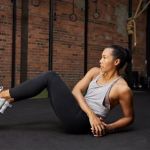 How to Do Exercise Safely and Effectively: Tips for a Better Workout
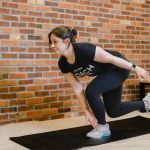 The Best At-Home Leg Workout Without Equipment
 Best Gym Machines for Beginners and How to Use Them
 How to Use Short, High-Quality Speed Workouts to Break Plateaus Before Autumn Races