
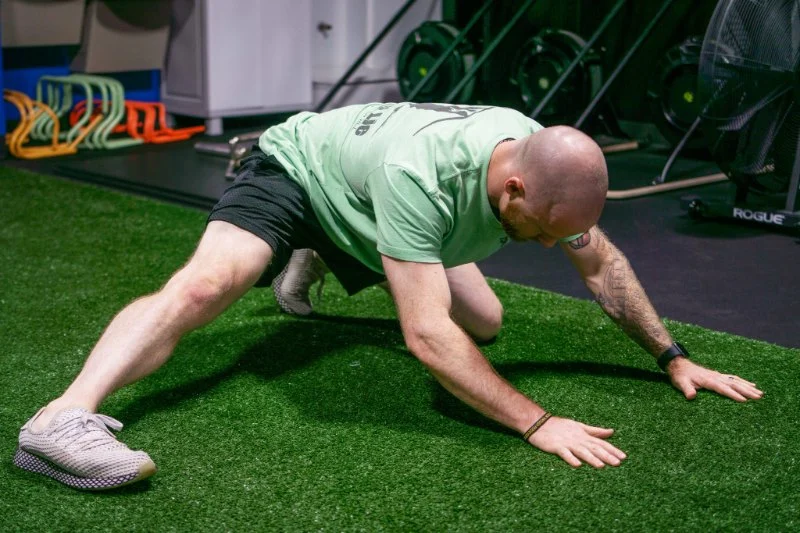
- 1 - Why - Desk Workers Need Mobility Drills
- 2 - How - Prolonged Sitting Affects The Body
- 3 - Essential - Mobility Drills For Desk Workers
- 4 - Building - A Simple Daily Mobility Routine
- 5 - Long Term - Performance And Health Benefits
1. Why Desk Workers Need Mobility Drills
Modern work culture has quietly transformed the way our bodies move. For many people in the United States, the typical workday involves sitting at a desk for eight or more hours. While computers have improved productivity, long hours of sitting often come with an unexpected cost: chronic stiffness, lower back pain, and reduced mobility.
All Sport Health & Fitness / allsport fishkill ny
FishkillDutchess CountyNew York
17 Old Main St, Fishkill, NY 12524, USA
1.1 The Hidden Cost of Sitting All Day
When the body remains in a seated position for extended periods, muscles gradually tighten while joints move less frequently. Over time, this imbalance can lead to discomfort in the neck, shoulders, hips, and lower back.
Many desk workers initially dismiss this discomfort as normal fatigue. However, physical therapists often point out that these small aches are early warning signs of mobility restrictions.

barre3 / barre3 rivertowns
Dobbs FerryWestchester CountyNew York
42 Chestnut St, Dobbs Ferry, NY 10522, USA
1.2 Why Mobility Training Works
Mobility drills help restore the natural movement patterns that sitting reduces. Unlike traditional stretching, mobility exercises combine movement and joint control, helping the body move more efficiently throughout the day.
When performed consistently, these drills can reduce pain, improve posture, and even enhance work performance by increasing energy levels.
2. How Prolonged Sitting Affects The Body
To understand why mobility drills are important, it helps to understand what actually happens to the body during long periods of sitting.
2.1 Tight Hip Flexors and Lower Back Stress
Sitting places the hip flexor muscles in a shortened position for hours. Over time, these muscles become tight and begin pulling on the lower back and pelvis. This imbalance often contributes to the lower back pain many desk workers experience.
2.2 Forward Head and Shoulder Position
Another common posture problem occurs when workers lean forward toward computer screens. This position places excessive stress on the neck and upper back. Over time, it can lead to rounded shoulders and chronic tension headaches.
2.3 Reduced Circulation and Energy
Limited movement also affects blood circulation. Reduced circulation can contribute to fatigue, decreased concentration, and even slower recovery after exercise.
This is one reason why incorporating regular movement breaks throughout the day can dramatically improve both physical comfort and mental focus.
3. Essential Mobility Drills For Desk Workers
The good news is that mobility training does not require a full gym session. A few simple drills performed consistently can help reverse many of the physical effects of sitting.
3.1 Thoracic Spine Rotations
The thoracic spine, located in the upper back, often becomes stiff from prolonged sitting. Rotational mobility drills help restore movement to this region.
By gently rotating the upper body while keeping the hips stable, desk workers can improve spinal mobility and reduce upper back tension.
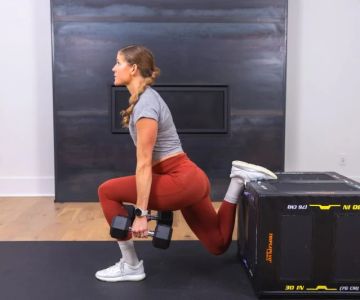
3.2 Hip Flexor Mobility Drill
This movement targets the tight hip flexor muscles caused by prolonged sitting. A controlled lunge position allows the hips to open while maintaining proper alignment.
Over time, this drill can relieve lower back pressure and improve walking mechanics.
3.3 Shoulder and Chest Openers
Shoulder mobility exercises counteract the rounded posture caused by working at a computer. Gentle chest-opening movements encourage the shoulders to return to a natural position.
Many people notice immediate relief in the upper back after performing these drills.
3.4 Neck Mobility Reset
Neck tension is one of the most common complaints among office workers. Slow neck mobility drills help release built-up tension while improving range of motion.
These movements are especially useful during short breaks between meetings or tasks.
4. Building A Simple Daily Mobility Routine
Consistency matters more than intensity when it comes to mobility training. Even five to ten minutes of movement during the workday can make a noticeable difference.
4.1 Micro Movement Breaks
Instead of waiting until the end of the day to exercise, many experts recommend taking short movement breaks every 60 to 90 minutes. These small breaks allow joints and muscles to reset before stiffness builds up.
Simple drills such as spinal rotations, standing hip stretches, or shoulder mobility movements can easily be done beside a desk.
4.2 Combining Mobility With Strength
Mobility drills work best when combined with light strength exercises. Strength training helps the body maintain better posture throughout the workday.
For example, strengthening the upper back muscles helps support proper shoulder alignment while sitting.
5. Long Term Performance And Health Benefits
One of the most overlooked advantages of mobility training is its impact on performance. Improved mobility does not only reduce pain — it also helps the body move more efficiently during daily activities.
5.1 Improved Productivity and Focus
Workers who move regularly during the day often report improved concentration and mental clarity. Movement increases blood flow to the brain, which can enhance cognitive performance.
Many companies have even started encouraging mobility breaks as part of workplace wellness programs.
5.2 A Real Example From Office Workers
One technology company recently implemented a short mobility routine for employees working remotely. Participants spent ten minutes each morning performing guided mobility drills before beginning work.
Within a few weeks, employees reported less back pain, better posture awareness, and increased energy levels during long work sessions.
5.3 Finding Resources For Better Movement
For people looking to improve mobility, posture, and overall physical performance, exploring structured training programs can be extremely helpful. Many individuals discover useful routines, guidance, and equipment recommendations through fitness communities such as Hot Fitness, where mobility training and performance improvement resources are regularly shared.
With the right drills and consistent practice, desk workers can transform the way their bodies feel during the workday. Small movements repeated daily often lead to the biggest improvements over time.




 Public Stone Lifting Club Gym Outdoor4.0 (13 reviews)
 Anytime Fitness4.0 (244 reviews)
 Barry's Philadelphia4.0 (79 reviews)
 Ecole de Pole Akron4.0 (42 reviews)
 Lotus Yoga and Wellness5.0 (1 reviews)
 Maxx 365 Fitness & Recovery4.0 (56 reviews)
 How to Do Home Workout Safely and Effectively
 The Best Ways to Build Aerobic Power With Short, Focused Intervals During Cooler Months
 The Best Healthy Lifestyle for Busy People | Hot Fitness
 Why Nutrition Is the Secret to Your Success: Unlock Your Full Potential
 How to Stay Motivated in Your Exercise with Real-Life Strategies
 Beginner's Guide to Workout: Get Started on Your Fitness Journey